 Pneumatici Audi TT (2010-2015)
Misure pneumatici compatibili
225/50R17
Primo equipaggiamento
94H
Da 43,34 €
Vedi 1569 offerte

|
Gislaved Euro Frost 6 Invernale XL | 43,34 € | Vedi offerta |

|
Nexen N Fera RU1 Estivo XL | 44,88 € | Vedi offerta |

|
Continental ContiWinterContact TS Invernale | 49,01 € | Vedi offerta |

|
Continental ContiWinterContact TS Invernale | 49,55 € | Vedi offerta |

|
Star Performer Solar 4S 4 Stagioni | 51,55 € | Vedi offerta |
225/55R16
Primo equipaggiamento
95H
Da 35,50 €
Vedi 811 offerte
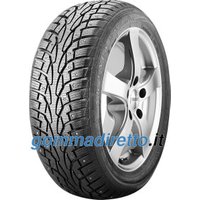
|
NANKANG Snow SW-7 Invernale | 35,50 € | Vedi offerta |

|
NANKANG Snow SW-7 Invernale | 35,90 € | Vedi offerta |

|
Nexen Winguard SnowG 3 Invernale | 45,15 € | Vedi offerta |
|
|
Star Performer Solar 4S 4 Stagioni | 50,71 € | Vedi offerta |

|
Star Performer Interstellar Estivo | 51,01 € | Vedi offerta |
245/40R18
Opzione
93W
Da 35,64 €
Vedi 959 offerte

|
Star Performer UHP-3 Estivo | 35,64 € | Vedi offerta |

|
Star Performer UHP-3 Estivo | 35,90 € | Vedi offerta |

|
Star Performer SPTS AS Invernale XL | 35,90 € | Vedi offerta |

|
Yokohama Advan Sport V105 Estivo | 40,21 € | Vedi offerta |

|
Yokohama Advan Sport V105 Estivo | 40,52 € | Vedi offerta |
245/45R17
Opzione
95W
Da 47,71 €
Vedi 521 offerte
|
|
Star Performer Interstellar Estivo | 47,71 € | Vedi offerta |

|
Star Performer Interstellar Estivo | 47,71 € | Vedi offerta |
|
|
Star Performer Interstellar Estivo | 53,40 € | Vedi offerta |
|
|
Star Performer Interstellar Estivo | 53,86 € | Vedi offerta |
|
|
Star Performer Solar 4S 4 Stagioni | 54,73 € | Vedi offerta |
La vostra Audi TT 2010-2015 è compatibile con 4 formati di gomme. Le dimensioni di primo equipaggiamento (OE) sono segnalate per una scelta sicura. Potete anche optare per altre misure compatibili adatte al vostro stile di guida.
Per ciascuno dei formati disponibili, mostriamo i prezzi più bassi dei nostri rivenditori partner. Cliccate su una misura per accedere a tutte le offerte.
Nel sostituire i pneumatici della vostra Audi TT 2010-2015, ricordate di cambiarli a coppie sullo stesso asse. Il treno più recente va sempre sull'asse posteriore, anche se la vostra auto è a trazione anteriore, per una migliore stabilità in caso di frenata d'emergenza.