 Pneumatici Toyota Yaris (2008-2016)
Piattaforma: XP90
Misure pneumatici compatibili
165/70R14
Primo equipaggiamento
81S
Da 34,71 €
Vedi 750 offerte
|
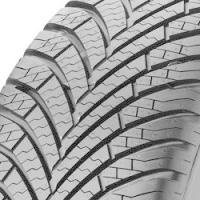
Star Performer Solar 4S 4 Stagioni | 34,71 € | Vedi offerta |

|
Star Performer Solar 4S 4 Stagioni | 34,71 € | Vedi offerta |

|
Star Performer Comet Estivo | 35,46 € | Vedi offerta |

|
Dunlop StreetResponse 2 Estivo XL | 35,64 € | Vedi offerta |
|
|
Dunlop StreetResponse 2 Estivo XL | 35,64 € | Vedi offerta |
185/60R15
Primo equipaggiamento
84H
Da 36,03 €
Vedi 1047 offerte

|
Nexen Winguard SnowG WH2 Invernale | 36,03 € | Vedi offerta |
|
|
Star Performer Solar 4S 4 Stagioni XL | 39,86 € | Vedi offerta |
|
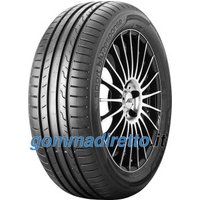
Dunlop Sport BluResponse Estivo | 39,95 € | Vedi offerta |
|
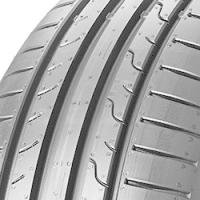
Dunlop Sport BluResponse Estivo | 40,26 € | Vedi offerta |
|
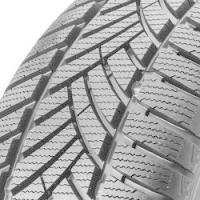
Star Performer Stratos HP Invernale XL | 40,97 € | Vedi offerta |
175/65R14
Opzione
82H
Da 35,64 €
Vedi 1086 offerte
|
|
Star Performer Solar 4S 4 Stagioni | 35,64 € | Vedi offerta |
|
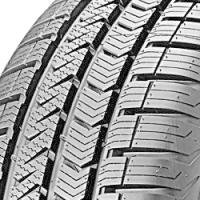
Vredestein Quatrac 5 4 Stagioni | 35,90 € | Vedi offerta |

|
Star Performer Comet Estivo | 36,04 € | Vedi offerta |
|
|
Star Performer Comet Estivo | 36,04 € | Vedi offerta |

|
Falken SINCERA SN110 Estivo | 36,16 € | Vedi offerta |
205/45R17
Opzione
84W
Da 35,90 €
Vedi 825 offerte

|
Falken EUROWINTER HS01 Invernale | 35,90 € | Vedi offerta |

|
Star Performer Interstellar Estivo | 39,77 € | Vedi offerta |
|
|
Star Performer Solar 4S 4 Stagioni | 43,78 € | Vedi offerta |
|
|
Star Performer Solar 4S 4 Stagioni | 43,78 € | Vedi offerta |

|
Star Performer Interstellar Estivo | 44,58 € | Vedi offerta |
La vostra Toyota Yaris 2008-2016 è compatibile con 4 formati di gomme. Le dimensioni di primo equipaggiamento (OE) sono segnalate per una scelta sicura. Potete anche optare per altre misure compatibili adatte al vostro stile di guida.
Per ogni dimensione, trovate le tariffe più competitive in tempo reale. Selezionate la dimensione desiderata per confrontare i pneumatici e i relativi prezzi.
Nel sostituire i pneumatici della vostra Toyota Yaris 2008-2016, ricordate di cambiarli a coppie sullo stesso asse. Il treno più recente va sempre sull'asse posteriore, anche se la vostra auto è a trazione anteriore, per una migliore stabilità in caso di frenata d'emergenza.