 Pneumatici Toyota Yaris II (2020-2027)
Piattaforma: XP150
Misure pneumatici compatibili
175/65R14
Primo equipaggiamento
Da 35,64 €
Vedi 1097 offerte
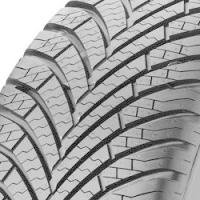
|
Star Performer Solar 4S 4 Stagioni | 35,64 € | Vedi offerta |
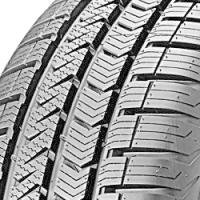
|
Vredestein Quatrac 5 4 Stagioni | 35,90 € | Vedi offerta |
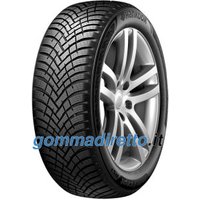
|
HANKOOK Winter i cept RS3 W462 Invernale | 36,03 € | Vedi offerta |

|
Vredestein Quatrac 5 4 Stagioni | 36,03 € | Vedi offerta |

|
Star Performer Comet Estivo | 36,04 € | Vedi offerta |
185/60R15
Primo equipaggiamento
84H
Da 36,03 €
Vedi 1055 offerte

|
FULDA Kristall Montero 3 Invernale | 36,03 € | Vedi offerta |

|
Nexen Winguard SnowG WH2 Invernale | 36,03 € | Vedi offerta |
|
|
Star Performer Solar 4S 4 Stagioni XL | 39,86 € | Vedi offerta |
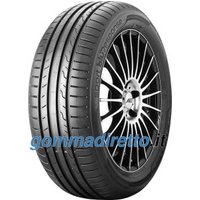
|
Dunlop Sport BluResponse Estivo | 39,95 € | Vedi offerta |

|
Star Performer Solar 4S 4 Stagioni XL | 39,99 € | Vedi offerta |
195/50R16
Opzione
84H
Da 38,61 €
Vedi 460 offerte

|
Nokian WR Snowproof Invernale | 38,61 € | Vedi offerta |

|
Nexen N blue HD Plus Estivo | 40,85 € | Vedi offerta |

|
Nexen N blue HD Plus Estivo | 40,99 € | Vedi offerta |
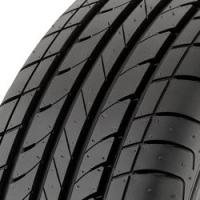
|
Star Performer Orbit Estivo | 43,72 € | Vedi offerta |

|
Star Performer Orbit Estivo | 43,85 € | Vedi offerta |
195/50R16
Opzione
84V
Da 38,61 €
Vedi 460 offerte
|
|
Nokian WR Snowproof Invernale | 38,61 € | Vedi offerta |
|
|
Nexen N blue HD Plus Estivo | 40,85 € | Vedi offerta |
|
|
Nexen N blue HD Plus Estivo | 40,99 € | Vedi offerta |
|
|
Star Performer Orbit Estivo | 43,72 € | Vedi offerta |
|
|
Star Performer Orbit Estivo | 43,85 € | Vedi offerta |
La vostra Toyota Yaris 2020-2027 può essere equipaggiata con 4 dimensioni di pneumatico differenti. Le misure montate in fabbrica compaiono per guidarvi nella scelta. È anche possibile scegliere opzioni di sostituzione secondo le vostre preferenze.
Per tutte le misure elencate, consultate le migliori offerte aggiornate regolarmente. Scegliete la vostra dimensione per vedere il confronto completo.
Nel sostituire i pneumatici della vostra Toyota Yaris 2020-2027, ricordate di cambiarli a coppie sullo stesso asse. Il treno più recente va sempre sull'asse posteriore, anche se la vostra auto è a trazione anteriore, per una migliore stabilità in caso di frenata d'emergenza.