 Pneumatici Toyota Mark 2 (2002-2004)
Piattaforma: X110
Misure pneumatici compatibili
195/65R15
Primo equipaggiamento
91H
Da 35,90 €
Vedi 1841 offerte

|
Continental AllSeasonContact 4 Stagioni | 35,90 € | Vedi offerta |

|
Toyo Proxes CF2 Estivo | 35,90 € | Vedi offerta |
|
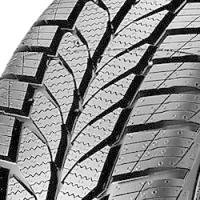
Viking FourTech 4 Stagioni | 35,90 € | Vedi offerta |

|
Nexen CP Estivo | 38,44 € | Vedi offerta |

|
Star Performer Comet Estivo | 40,55 € | Vedi offerta |
205/55R16
Primo equipaggiamento
89V
Da 35,50 €
Vedi 2490 offerte
|
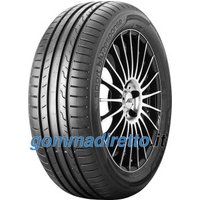
Dunlop Sport BluResponse Estivo | 35,50 € | Vedi offerta |
|
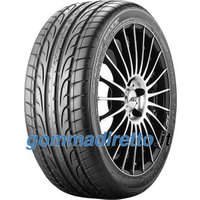
Dunlop SP Sport Maxx Estivo | 35,50 € | Vedi offerta |
|
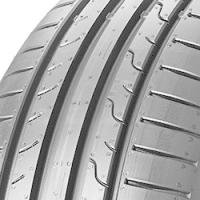
Dunlop Sport BluResponse Estivo | 35,90 € | Vedi offerta |

|
Dunlop Winter Sport 5 Invernale | 37,34 € | Vedi offerta |

|
Dunlop Winter Sport 5 Invernale | 37,75 € | Vedi offerta |
215/45R17
Primo equipaggiamento
Da 44,78 €
Vedi 774 offerte
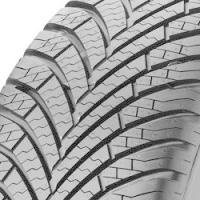
|
Star Performer Solar 4S 4 Stagioni | 44,78 € | Vedi offerta |

|
Star Performer Solar 4S 4 Stagioni | 44,78 € | Vedi offerta |
|
|
Star Performer Solar 4S 4 Stagioni XL | 45,71 € | Vedi offerta |

|
Toyo NanoEnergy R41A cerchioleiste Estivo | 47,40 € | Vedi offerta |

|
Toyo NanoEnergy R41A cerchioleiste Estivo | 47,79 € | Vedi offerta |
235/40R18
Opzione
Da 35,50 €
Vedi 710 offerte

|
Continental ContiSportContact 3 Estivo | 35,50 € | Vedi offerta |

|
Continental ContiSportContact 3 Estivo | 35,90 € | Vedi offerta |

|
Continental WinterContact TS Invernale | 35,90 € | Vedi offerta |

|
Maxxis Premitra 5 Estivo XL | 45,55 € | Vedi offerta |

|
Nexen Winguard Sport 2 Invernale | 53,04 € | Vedi offerta |
La vostra Toyota Mark 2 2002-2004 accetta 4 misure di pneumatico. Le dimensioni del costruttore sono indicate per facilitare il vostro acquisto. Le alternative omologate vi consentono di montare dimensioni alternative in base alle vostre esigenze.
Per ogni dimensione, trovate le tariffe più competitive in tempo reale. Selezionate la dimensione desiderata per confrontare i pneumatici e i relativi prezzi.
Nel sostituire i pneumatici della vostra Toyota Mark 2 2002-2004, ricordate di cambiarli a coppie sullo stesso asse. Il treno più recente va sempre sull'asse posteriore, anche se la vostra auto è a trazione anteriore, per una migliore stabilità in caso di frenata d'emergenza.