 Pneumatici Toyota Estima (2000-2006)
Piattaforma: T/L
Misure pneumatici compatibili
205/60R16
Primo equipaggiamento
92H
Da 35,64 €
Vedi 1723 offerte
|
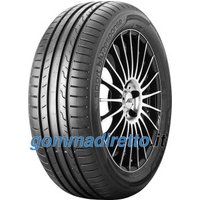
Dunlop Sport BluResponse Estivo | 35,64 € | Vedi offerta |

|
Bridgestone Blizzak LM-32 Invernale | 35,90 € | Vedi offerta |
|
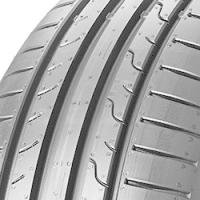
Dunlop Sport BluResponse Estivo | 35,90 € | Vedi offerta |

|
HANKOOK Kinergy Eco K425 Estivo | 39,67 € | Vedi offerta |

|
HANKOOK Kinergy Eco K425 Estivo | 39,98 € | Vedi offerta |
205/65R15
Primo equipaggiamento
94H
Da 35,90 €
Vedi 718 offerte

|
Bridgestone Blizzak LM Invernale | 35,90 € | Vedi offerta |

|
NANKANG Green Sport Eco-2 Estivo | 35,97 € | Vedi offerta |

|
NANKANG Green Sport Eco-2 Estivo | 36,37 € | Vedi offerta |

|
Maxxis Mecotra 3 Estivo | 42,62 € | Vedi offerta |

|
Maxxis Mecotra 3 Estivo | 43,09 € | Vedi offerta |
215/60R16
Primo equipaggiamento
95H
Da 37,66 €
Vedi 1294 offerte

|
FIRESTONE Roadhawk Estivo | 37,66 € | Vedi offerta |

|
Star Performer HP-3 Estivo | 37,72 € | Vedi offerta |

|
Star Performer HP-3 Estivo | 38,00 € | Vedi offerta |

|
Star Performer Stratos HP Invernale | 49,46 € | Vedi offerta |
|
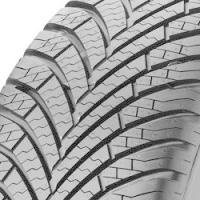
Star Performer Solar 4S 4 Stagioni | 49,86 € | Vedi offerta |
215/55R17
Primo equipaggiamento
93V
Da 35,64 €
Vedi 1317 offerte

|
Star Performer SPTS AS Invernale | 35,64 € | Vedi offerta |

|
Dunlop SP Sport FastResponse Estivo | 35,90 € | Vedi offerta |

|
Star Performer SPTS AS Invernale | 35,90 € | Vedi offerta |

|
Star Performer Stratos UHP Invernale | 50,26 € | Vedi offerta |
|
|
Star Performer Solar 4S 4 Stagioni | 50,56 € | Vedi offerta |
La vostra Toyota Estima 2000-2006 è compatibile con 4 formati di gomme. Le dimensioni di primo equipaggiamento (OE) sono segnalate per una scelta sicura. Potete anche optare per altre misure compatibili adatte al vostro stile di guida.
Per ogni dimensione, trovate le tariffe più competitive in tempo reale. Selezionate la dimensione desiderata per confrontare i pneumatici e i relativi prezzi.
Al momento della sostituzione i pneumatici della vostra Toyota Estima 2000-2006, sostituiteli almeno in due sullo stesso asse. La coppia meno consumata deve essere installata sull'asse posteriore, anche su un veicolo a trazione anteriore, per mantenere un buon controllo in situazione critica.