 Pneumatici Toyota Auris (2009-2012)
Piattaforma: E150
Misure pneumatici compatibili
205/55R16
Primo equipaggiamento
91V
Da 35,50 €
Vedi 2515 offerte
|
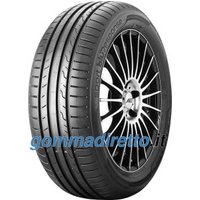
Dunlop Sport BluResponse Estivo | 35,50 € | Vedi offerta |

|
Dunlop SP Winter Sport 3D Invernale | 35,64 € | Vedi offerta |
|
Dunlop Sport BluResponse Estivo | 35,90 € | Vedi offerta |
|
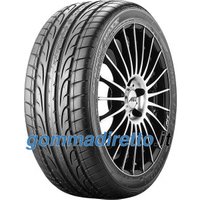
Dunlop SP Sport Maxx Estivo | 36,03 € | Vedi offerta |

|
Kumho WinterCraft WP51 Invernale | 36,52 € | Vedi offerta |
195/65R15
Opzione
91H
Da 35,90 €
Vedi 1854 offerte

|
Toyo Proxes CF2 Estivo | 35,90 € | Vedi offerta |
|
Viking FourTech 4 Stagioni | 35,90 € | Vedi offerta |

|
Continental AllSeasonContact 4 Stagioni | 35,90 € | Vedi offerta |

|
Cooper CS7 Estivo | 36,03 € | Vedi offerta |
|
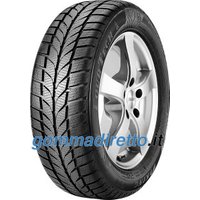
Viking FourTech 4 Stagioni | 36,03 € | Vedi offerta |
225/45R17
Opzione
91W
Da 35,12 €
Vedi 1799 offerte

|
Dunlop Sport Maxx RT2 Estivo XL | 35,12 € | Vedi offerta |

|
Star Performer UHP-1 Estivo | 35,64 € | Vedi offerta |

|
Star Performer UHP-1 Estivo | 35,90 € | Vedi offerta |

|
Goodyear Vector 4 Seasons Gen-2 4 Stagioni RunFlat | 46,31 € | Vedi offerta |

|
NANKANG Sportnex AS-2 Estivo | 46,58 € | Vedi offerta |
245/45R17
Opzione
Da 47,71 €
Vedi 526 offerte

|
Star Performer Interstellar 4 Stagioni | 47,71 € | Vedi offerta |

|
Star Performer Interstellar 4 Stagioni | 47,71 € | Vedi offerta |
|
|
Star Performer Interstellar 4 Stagioni | 53,40 € | Vedi offerta |
|
|
Star Performer Interstellar 4 Stagioni | 53,86 € | Vedi offerta |
|
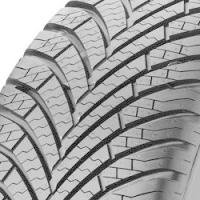
Star Performer Solar 4S 4 Stagioni | 54,73 € | Vedi offerta |
La Toyota Auris 2009-2012 è compatibile con 4 formati di gomme. Le dimensioni di primo equipaggiamento (OE) sono segnalate per una scelta sicura. Potete anche optare per altre misure compatibili adatte al vostro stile di guida.
Per ciascuno dei formati disponibili, mostriamo i prezzi più bassi dei nostri rivenditori partner. Cliccate su una misura per accedere a tutte le offerte.
Al momento della sostituzione i pneumatici della vostra Toyota Auris 2009-2012, sostituiteli almeno in due sullo stesso asse. La coppia meno consumata deve essere installata sull'asse posteriore, anche su un veicolo a trazione anteriore, per mantenere un buon controllo in situazione critica.