 Pneumatici Peugeot 4008 (2012-2017)
Piattaforma: GS
Misure pneumatici compatibili
215/70R16
Primo equipaggiamento
100H
Da 36,03 €
Vedi 581 offerte

|
Dunlop Grandtrek ST 20 Estivo | 36,03 € | Vedi offerta |
|
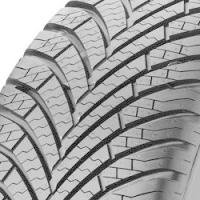
Star Performer Solar 4S 4 Stagioni | 56,89 € | Vedi offerta |

|
Star Performer Solar 4S 4 Stagioni | 58,36 € | Vedi offerta |

|
Star Performer Quasar Estivo | 58,50 € | Vedi offerta |

|
Star Performer Quasar Estivo | 58,64 € | Vedi offerta |
225/55R18
Primo equipaggiamento
98H
Da 38,05 €
Vedi 970 offerte

|
Star Performer SUV-1 Estivo XL | 38,05 € | Vedi offerta |

|
Viking ProTech NewGen Estivo | 39,56 € | Vedi offerta |

|
Falken EUROWINTER HS01 Invernale | 50,72 € | Vedi offerta |
|
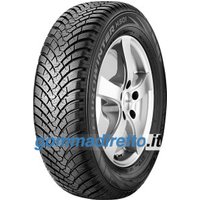
Falken EUROWINTER HS01 Invernale | 50,72 € | Vedi offerta |
|
|
Star Performer Quasar Estivo XL | 51,58 € | Vedi offerta |
215/65R17
Opzione
98H
Da 38,28 €
Vedi 739 offerte

|
Continental EcoContact 6 Estivo | 38,28 € | Vedi offerta |

|
Falken ZIEX ZE914A ECORUN Estivo | 47,48 € | Vedi offerta |

|
Cooper Discoverer AT3 4S 4 Stagioni | 50,59 € | Vedi offerta |
|
|
Star Performer Quasar Estivo | 56,58 € | Vedi offerta |
|
|
Star Performer Quasar Estivo | 56,71 € | Vedi offerta |
225/50R19
Opzione
98H
Da 62,22 €
Vedi 70 offerte

|
MICHELIN Alpin 6 Invernale XL | 62,22 € | Vedi offerta |

|
MICHELIN Alpin 6 Invernale XL | 62,35 € | Vedi offerta |
|
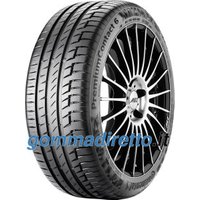
Continental PremiumContact 6 Estivo | 86,78 € | Vedi offerta |
|
|
Continental PremiumContact 6 Estivo | 86,78 € | Vedi offerta |
|
Continental PremiumContact 6 Estivo | 87,74 € | Vedi offerta |
La Peugeot 4008 2012-2017 accetta 4 misure di pneumatico. Le dimensioni del costruttore sono indicate per facilitare il vostro acquisto. Le alternative omologate vi consentono di montare dimensioni alternative in base alle vostre esigenze.
Per tutte le misure elencate, consultate le migliori offerte aggiornate regolarmente. Scegliete la vostra dimensione per vedere il confronto completo.
Quando cambiate i pneumatici della vostra Peugeot 4008 2012-2017, cambiate sempre entrambi i pneumatici di uno stesso asse. I pneumatici più nuovi vanno montati al posteriore, indipendentemente dal tipo di trazione, per evitare il sovrasterzo su carreggiata bagnata.