 Pneumatici Peugeot 1007 (2004-2009)
Piattaforma: KM
Misure pneumatici compatibili
165/70R14
Primo equipaggiamento
81T
Da 34,71 €
Vedi 750 offerte

|
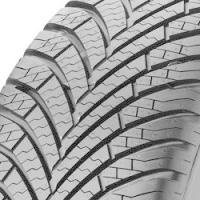
Star Performer Solar 4S 4 Stagioni | 34,71 € | Vedi offerta |
|
Star Performer Solar 4S 4 Stagioni | 34,71 € | Vedi offerta |

|
Star Performer Comet Estivo | 35,46 € | Vedi offerta |

|
Dunlop StreetResponse 2 Estivo XL | 35,64 € | Vedi offerta |
|
|
Dunlop StreetResponse 2 Estivo XL | 35,64 € | Vedi offerta |
185/65R14
Opzione
86H
Da 35,59 €
Vedi 630 offerte

|
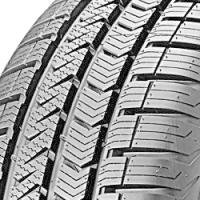
Vredestein Quatrac 5 4 Stagioni | 35,59 € | Vedi offerta |
|
Vredestein Quatrac 5 4 Stagioni | 35,59 € | Vedi offerta |

|
Cooper WM SA2 Invernale | 35,65 € | Vedi offerta |

|
Nexen N blue 4 Season 4 Stagioni | 35,90 € | Vedi offerta |
|
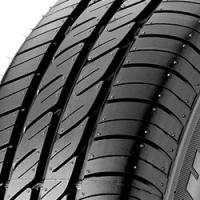
FIRESTONE Multihawk 2 Estivo | 35,90 € | Vedi offerta |
185/60R15
Opzione
84H
Da 36,03 €
Vedi 1047 offerte

|
Nexen Winguard SnowG WH2 Invernale | 36,03 € | Vedi offerta |
|
|
Star Performer Solar 4S 4 Stagioni XL | 39,86 € | Vedi offerta |
|
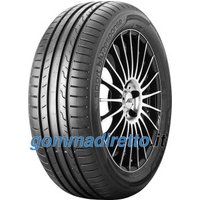
Dunlop Sport BluResponse Estivo | 39,95 € | Vedi offerta |
|
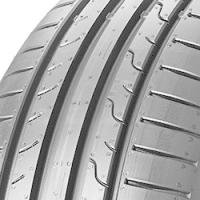
Dunlop Sport BluResponse Estivo | 40,26 € | Vedi offerta |
|
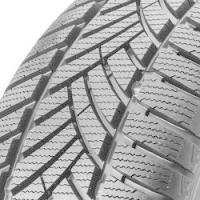
Star Performer Stratos HP Invernale XL | 40,97 € | Vedi offerta |
195/50R16
Opzione
84H
Da 38,61 €
Vedi 457 offerte

|
Nokian WR Snowproof Invernale | 38,61 € | Vedi offerta |

|
Nexen N blue HD Plus Estivo | 40,54 € | Vedi offerta |

|
Nexen N blue HD Plus Estivo | 40,85 € | Vedi offerta |

|
Star Performer Orbit Estivo | 43,38 € | Vedi offerta |
|
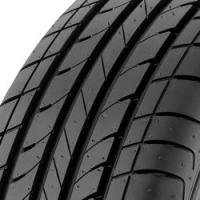
Star Performer Orbit Estivo | 43,72 € | Vedi offerta |
La Peugeot 1007 2004-2009 può essere equipaggiata con 4 dimensioni di pneumatico differenti. Le misure montate in fabbrica compaiono per guidarvi nella scelta. È anche possibile scegliere opzioni di sostituzione secondo le vostre preferenze.
Per ciascuno dei formati disponibili, mostriamo i prezzi più bassi dei nostri rivenditori partner. Cliccate su una misura per accedere a tutte le offerte.
Nel sostituire i pneumatici della vostra Peugeot 1007 2004-2009, ricordate di cambiarli a coppie sullo stesso asse. Il treno più recente va sempre sull'asse posteriore, anche se la vostra auto è a trazione anteriore, per una migliore stabilità in caso di frenata d'emergenza.