 Pneumatici Nissan Pulsar (2013-2015)
Piattaforma: B17/C12
Misure pneumatici compatibili
195/65R15
Primo equipaggiamento
91S
Da 35,90 €
Vedi 1841 offerte

|
Continental AllSeasonContact 4 Stagioni | 35,90 € | Vedi offerta |
|
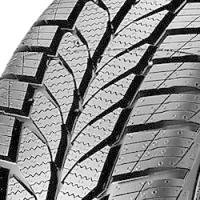
Viking FourTech 4 Stagioni | 35,90 € | Vedi offerta |

|
Toyo Proxes CF2 Estivo | 35,90 € | Vedi offerta |

|
Nexen CP Estivo | 38,44 € | Vedi offerta |

|
Star Performer Comet Estivo | 40,55 € | Vedi offerta |
195/60R16
Primo equipaggiamento
89H
Da 38,16 €
Vedi 759 offerte

|
Falken EUROWINTER HS01 Invernale | 38,16 € | Vedi offerta |

|
Vredestein Comtrac 2 All Season 4 Stagioni | 38,36 € | Vedi offerta |

|
Nokian WR D4 Invernale | 43,84 € | Vedi offerta |

|
Nokian WR D4 Invernale | 44,19 € | Vedi offerta |

|
Star Performer Orbit Estivo | 44,66 € | Vedi offerta |
205/50R17
Primo equipaggiamento
Da 35,50 €
Vedi 1112 offerte

|
Bridgestone Potenza S001 Estivo RunFlat | 35,50 € | Vedi offerta |
|
|
Bridgestone Potenza S001 Estivo RunFlat | 35,50 € | Vedi offerta |

|
Bridgestone Potenza S001 Estivo RunFlat | 35,90 € | Vedi offerta |
|
|
Bridgestone Potenza S001 Estivo RunFlat | 35,90 € | Vedi offerta |

|
Star Performer Interstellar Estivo | 41,05 € | Vedi offerta |
195/60R16
Opzione
89H
Da 38,16 €
Vedi 759 offerte
|
|
Falken EUROWINTER HS01 Invernale | 38,16 € | Vedi offerta |
|
|
Vredestein Comtrac 2 All Season 4 Stagioni | 38,36 € | Vedi offerta |
|
|
Nokian WR D4 Invernale | 43,84 € | Vedi offerta |
|
|
Nokian WR D4 Invernale | 44,19 € | Vedi offerta |
|
|
Star Performer Orbit Estivo | 44,66 € | Vedi offerta |
La Nissan Pulsar 2013-2015 è compatibile con 4 formati di gomme. Le dimensioni di primo equipaggiamento (OE) sono segnalate per una scelta sicura. Potete anche optare per altre misure compatibili adatte al vostro stile di guida.
Per ogni dimensione, trovate le tariffe più competitive in tempo reale. Selezionate la dimensione desiderata per confrontare i pneumatici e i relativi prezzi.
Quando cambiate i pneumatici della vostra Nissan Pulsar 2013-2015, cambiate sempre entrambi i pneumatici di uno stesso asse. I pneumatici più nuovi vanno montati al posteriore, indipendentemente dal tipo di trazione, per evitare il sovrasterzo su carreggiata bagnata.