 Pneumatici Mitsubishi Pajero (1990-1999)
Piattaforma: V20
Misure pneumatici compatibili
215/85R18
Primo equipaggiamento
265/70R15
Primo equipaggiamento
Da 63,00 €
Vedi 89 offerte

|
Nexen ROADIAN HTX RH5 ROWL Estivo | 63,00 € | Vedi offerta |

|
General GRABBER UHP Estivo | 75,29 € | Vedi offerta |

|
NANKANG Conqueror A T Estivo | 101,74 € | Vedi offerta |

|
Aplus A929 A T | 110,08 € | Vedi offerta |
|
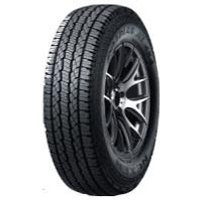
Nexen Roadian AT 4x4 Estivo | 113,05 € | Vedi offerta |
245/70R18
Opzione
Da 153,03 €
Vedi 10 offerte

|
Yokohama Geolandar A T G31C Estivo | 153,03 € | Vedi offerta |

|
Yokohama Geolandar A T G31C Estivo | 159,81 € | Vedi offerta |

|
Yokohama Geolandar X-CV G057N Estivo | 166,97 € | Vedi offerta |

|
Yokohama Geolandar X-CV G057N Estivo | 171,52 € | Vedi offerta |

|
Yokohama Ice Guard G075 Invernale | 181,77 € | Vedi offerta |
265/65R17
Opzione
Da 64,72 €
Vedi 489 offerte

|
Minerva Ecospeed | 64,72 € | Vedi offerta |

|
General Grabber HTS 60 Estivo | 77,06 € | Vedi offerta |

|
Berlin Tires Royalmax 2 | 78,08 € | Vedi offerta |

|
Toyo Open Country U T cerchioleiste Estivo | 82,01 € | Vedi offerta |

|
Toyo Open Country U T cerchioleiste Estivo | 82,28 € | Vedi offerta |
265/70R16
Opzione
Da 59,12 €
Vedi 313 offerte

|
Kumho WinterCraft WS71 SUV Invernale | 59,12 € | Vedi offerta |

|
General GRABBER GT Estivo | 74,26 € | Vedi offerta |

|
General GRABBER GT Estivo | 74,53 € | Vedi offerta |

|
Goodride ZuperSnow Z-507 | 82,24 € | Vedi offerta |

|
Dunlop Grandtrek AT 5 Estivo | 84,68 € | Vedi offerta |
La vostra Mitsubishi Pajero 1990-1999 accetta 5 misure di pneumatico. Le dimensioni del costruttore sono indicate per facilitare il vostro acquisto. Le alternative omologate vi consentono di montare dimensioni alternative in base alle vostre esigenze.
Per ciascuno dei formati disponibili, mostriamo i prezzi più bassi dei nostri rivenditori partner. Cliccate su una misura per accedere a tutte le offerte.
Al momento della sostituzione i pneumatici della vostra Mitsubishi Pajero 1990-1999, sostituiteli almeno in due sullo stesso asse. La coppia meno consumata deve essere installata sull'asse posteriore, anche su un veicolo a trazione anteriore, per mantenere un buon controllo in situazione critica.