 Pneumatici Mitsubishi Lancer Cedia Wagon (2000-2003)
Piattaforma: CSW
Misure pneumatici compatibili
185/65R14
Primo equipaggiamento
86H
Da 35,59 €
Vedi 630 offerte
|
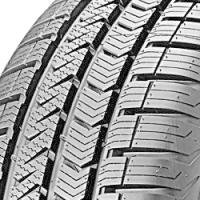
Vredestein Quatrac 5 4 Stagioni | 35,59 € | Vedi offerta |

|
Vredestein Quatrac 5 4 Stagioni | 35,59 € | Vedi offerta |

|
Cooper WM SA2 Invernale | 35,65 € | Vedi offerta |

|
Bridgestone Blizzak LM 001 Invernale | 35,90 € | Vedi offerta |
|
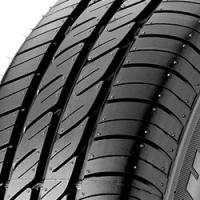
FIRESTONE Multihawk 2 Estivo | 35,90 € | Vedi offerta |
195/55R16
Primo equipaggiamento
86H
Da 35,50 €
Vedi 1414 offerte

|
Dunlop SP Sport Maxx TT Estivo RunFlat | 35,50 € | Vedi offerta |
|
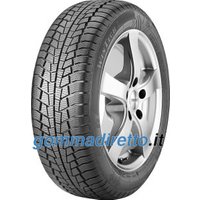
Viking WinTech Invernale | 38,47 € | Vedi offerta |

|
Viking WinTech Invernale | 38,76 € | Vedi offerta |

|
MICHELIN Primacy 4 Estivo | 41,75 € | Vedi offerta |

|
Star Performer Stratos UHP Invernale | 42,15 € | Vedi offerta |
195/55R15
Primo equipaggiamento
86H
Da 36,77 €
Vedi 732 offerte

|
Viking ProTech NewGen Estivo | 36,77 € | Vedi offerta |

|
Viking ProTech NewGen Estivo | 37,04 € | Vedi offerta |

|
Star Performer Solar 4S 4 Stagioni | 40,54 € | Vedi offerta |
|
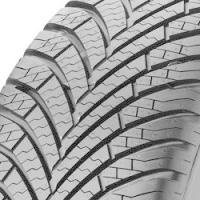
Star Performer Solar 4S 4 Stagioni | 40,54 € | Vedi offerta |
|
|
Star Performer Solar 4S 4 Stagioni | 41,23 € | Vedi offerta |
205/50R16
Opzione
86V
Da 44,89 €
Vedi 309 offerte
|
Star Performer Orbit Estivo | 44,89 € | Vedi offerta |

|
Star Performer Orbit Estivo | 44,89 € | Vedi offerta |

|
UNIROYAL RainSport 5 Estivo | 52,05 € | Vedi offerta |

|
Fortuna Eco Plus UHP | 52,30 € | Vedi offerta |

|
Unknown Westlake ZuperEco Z-107 | 52,30 € | Vedi offerta |
La Mitsubishi Lancer Cedia Wagon 2000-2003 accetta 4 misure di pneumatico. Le dimensioni del costruttore sono indicate per facilitare il vostro acquisto. Le alternative omologate vi consentono di montare dimensioni alternative in base alle vostre esigenze.
Per ciascuno dei formati disponibili, mostriamo i prezzi più bassi dei nostri rivenditori partner. Cliccate su una misura per accedere a tutte le offerte.
Al momento della sostituzione i pneumatici della vostra Mitsubishi Lancer Cedia Wagon 2000-2003, sostituiteli almeno in due sullo stesso asse. La coppia meno consumata deve essere installata sull'asse posteriore, anche su un veicolo a trazione anteriore, per mantenere un buon controllo in situazione critica.