 Pneumatici Mitsubishi L300 II (1987-2013)
Misure pneumatici compatibili
LT185R14
Primo equipaggiamento
LT195R14
Primo equipaggiamento
205/65R16
Opzione
Da 42,87 €
Vedi 700 offerte
|
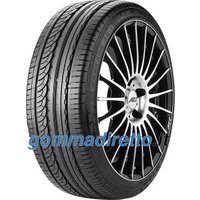
NANKANG AS-1 Estivo | 42,87 € | Vedi offerta |

|
NANKANG AS-1 Estivo | 43,34 € | Vedi offerta |

|
Triangle Reliax Touring TE307 | 56,95 € | Vedi offerta |

|
Star Performer Solar Van 4S Invernale | 57,41 € | Vedi offerta |

|
Star Performer Nova Van Estivo | 57,74 € | Vedi offerta |
205/70R15
Opzione
Da 47,85 €
Vedi 507 offerte

|
Star Performer Quasar Estivo | 47,85 € | Vedi offerta |

|
Star Performer Quasar Estivo | 47,85 € | Vedi offerta |

|
Vredestein Comtrac 2 Winter Invernale | 50,22 € | Vedi offerta |
|
Star Performer Stratos HP Invernale | 51,16 € | Vedi offerta |

|
Star Performer Stratos HP Invernale | 51,16 € | Vedi offerta |
205/70R15
Opzione
Da 47,85 €
Vedi 507 offerte
|
|
Star Performer Quasar Estivo | 47,85 € | Vedi offerta |
|
|
Star Performer Quasar Estivo | 47,85 € | Vedi offerta |
|
|
Vredestein Comtrac 2 Winter Invernale | 50,22 € | Vedi offerta |
|
|
Star Performer Stratos HP Invernale | 51,16 € | Vedi offerta |
|
|
Star Performer Stratos HP Invernale | 51,16 € | Vedi offerta |
215/65R16
Opzione
Da 51,39 €
Vedi 1624 offerte
|
Star Performer Solar 4S 4 Stagioni | 51,39 € | Vedi offerta |

|
Marshal WINTERCRAFT ICE WI31 Invernale | 51,41 € | Vedi offerta |

|
Star Performer Solar 4S 4 Stagioni | 52,19 € | Vedi offerta |
|
|
Star Performer Solar 4S 4 Stagioni | 52,19 € | Vedi offerta |
|
|
Star Performer Solar 4S 4 Stagioni | 52,69 € | Vedi offerta |
La Mitsubishi L300 1987-2013 è compatibile con 6 formati di gomme. Le dimensioni di primo equipaggiamento (OE) sono segnalate per una scelta sicura. Potete anche optare per altre misure compatibili adatte al vostro stile di guida.
Per ogni dimensione, trovate le tariffe più competitive in tempo reale. Selezionate la dimensione desiderata per confrontare i pneumatici e i relativi prezzi.
Nel sostituire i pneumatici della vostra Mitsubishi L300 1987-2013, ricordate di cambiarli a coppie sullo stesso asse. Il treno più recente va sempre sull'asse posteriore, anche se la vostra auto è a trazione anteriore, per una migliore stabilità in caso di frenata d'emergenza.