 Pneumatici Mazda6 (2013-2015)
Piattaforma: GG
Misure pneumatici compatibili
205/55R16
Primo equipaggiamento
91V
Da 35,50 €
Vedi 2490 offerte
|
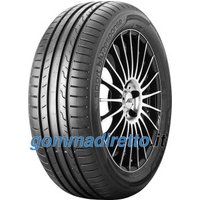
Dunlop Sport BluResponse Estivo | 35,50 € | Vedi offerta |
|
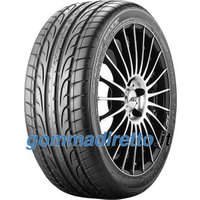
Dunlop SP Sport Maxx Estivo | 35,50 € | Vedi offerta |
|
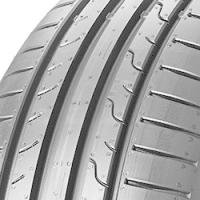
Dunlop Sport BluResponse Estivo | 35,90 € | Vedi offerta |

|
Dunlop Winter Sport 5 Invernale | 37,34 € | Vedi offerta |

|
Dunlop Winter Sport 5 Invernale | 37,75 € | Vedi offerta |
195/65R15
Opzione
91H
Da 35,90 €
Vedi 1841 offerte

|
Continental AllSeasonContact 4 Stagioni | 35,90 € | Vedi offerta |
|
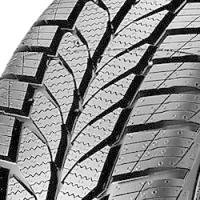
Viking FourTech 4 Stagioni | 35,90 € | Vedi offerta |

|
Toyo Proxes CF2 Estivo | 35,90 € | Vedi offerta |

|
Nexen CP Estivo | 38,44 € | Vedi offerta |

|
Star Performer Comet Estivo | 40,55 € | Vedi offerta |
205/55R16
Opzione
91V
Da 35,50 €
Vedi 2490 offerte
|
|
Dunlop Sport BluResponse Estivo | 35,50 € | Vedi offerta |
|
|
Dunlop SP Sport Maxx Estivo | 35,50 € | Vedi offerta |
|
|
Dunlop Sport BluResponse Estivo | 35,90 € | Vedi offerta |
|
|
Dunlop Winter Sport 5 Invernale | 37,34 € | Vedi offerta |
|
|
Dunlop Winter Sport 5 Invernale | 37,75 € | Vedi offerta |
215/45R17
Opzione
91W
Da 44,78 €
Vedi 774 offerte
|
Star Performer Solar 4S 4 Stagioni | 44,78 € | Vedi offerta |

|
Star Performer Solar 4S 4 Stagioni | 44,78 € | Vedi offerta |
|
|
Star Performer Solar 4S 4 Stagioni XL | 45,71 € | Vedi offerta |

|
Toyo NanoEnergy R41A cerchioleiste Estivo | 47,40 € | Vedi offerta |

|
Toyo NanoEnergy R41A cerchioleiste Estivo | 47,79 € | Vedi offerta |
La vostra Mazda Mazda6 2013-2015 può essere equipaggiata con 4 dimensioni di pneumatico differenti. Le misure montate in fabbrica compaiono per guidarvi nella scelta. È anche possibile scegliere opzioni di sostituzione secondo le vostre preferenze.
Per tutte le misure elencate, consultate le migliori offerte aggiornate regolarmente. Scegliete la vostra dimensione per vedere il confronto completo.
Nel sostituire i pneumatici della vostra Mazda Mazda6 2013-2015, ricordate di cambiarli a coppie sullo stesso asse. Il treno più recente va sempre sull'asse posteriore, anche se la vostra auto è a trazione anteriore, per una migliore stabilità in caso di frenata d'emergenza.