 Pneumatici Kia Rio (2005-2009)
Piattaforma: JB
Misure pneumatici compatibili
175/70R14
Primo equipaggiamento
84T
Da 36,45 €
Vedi 776 offerte

|
HANKOOK Kinergy Eco 2 K435 Estivo | 36,45 € | Vedi offerta |

|
HANKOOK Kinergy Eco 2 K435 Estivo | 36,58 € | Vedi offerta |

|
HANKOOK Winter i cept RS3 W462 Invernale | 37,04 € | Vedi offerta |

|
Vredestein Snowtrac 5 Invernale XL | 37,45 € | Vedi offerta |

|
Star Performer Solar 4S 4 Stagioni XL | 37,88 € | Vedi offerta |
185/65R14
Opzione
86H
Da 35,59 €
Vedi 634 offerte
|
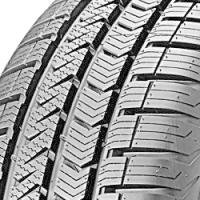
Vredestein Quatrac 5 4 Stagioni | 35,59 € | Vedi offerta |

|
Vredestein Quatrac 5 4 Stagioni | 35,59 € | Vedi offerta |

|
Bridgestone Blizzak LM 001 Invernale | 35,90 € | Vedi offerta |
|
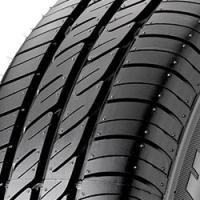
FIRESTONE Multihawk 2 Estivo | 35,90 € | Vedi offerta |
|
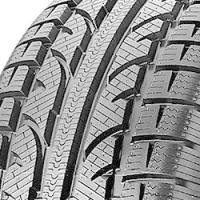
Cooper WM SA2 Invernale | 35,91 € | Vedi offerta |
195/55R15
Opzione
85V
Da 37,04 €
Vedi 735 offerte

|
Viking ProTech NewGen Estivo | 37,04 € | Vedi offerta |

|
Viking ProTech NewGen Estivo | 37,18 € | Vedi offerta |

|
Nexen Winguard Invernale | 38,06 € | Vedi offerta |

|
Nexen N blue HD Plus Estivo | 39,46 € | Vedi offerta |
|
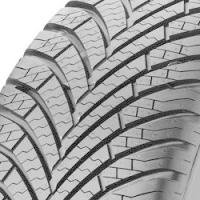
Star Performer Solar 4S 4 Stagioni | 40,54 € | Vedi offerta |
205/45R16
Opzione
83V
Da 45,43 €
Vedi 380 offerte
|
|
Star Performer Solar 4S 4 Stagioni | 45,43 € | Vedi offerta |

|
Star Performer Interstellar 4 Stagioni | 46,90 € | Vedi offerta |
|
|
Star Performer Solar 4S 4 Stagioni | 46,99 € | Vedi offerta |
|
|
Star Performer Solar 4S 4 Stagioni | 47,12 € | Vedi offerta |
|
|
Star Performer Solar 4S 4 Stagioni | 47,13 € | Vedi offerta |
La Kia Rio 2005-2009 può essere equipaggiata con 4 dimensioni di pneumatico differenti. Le misure montate in fabbrica compaiono per guidarvi nella scelta. È anche possibile scegliere opzioni di sostituzione secondo le vostre preferenze.
Per ogni dimensione, trovate le tariffe più competitive in tempo reale. Selezionate la dimensione desiderata per confrontare i pneumatici e i relativi prezzi.
Al momento della sostituzione i pneumatici della vostra Kia Rio 2005-2009, sostituiteli almeno in due sullo stesso asse. La coppia meno consumata deve essere installata sull'asse posteriore, anche su un veicolo a trazione anteriore, per mantenere un buon controllo in situazione critica.