 Pneumatici Honda Spirior I (2009-2011)
Misure pneumatici compatibili
225/50R17
Primo equipaggiamento
95V
Da 43,34 €
Vedi 1569 offerte

|
Gislaved Euro Frost 6 Invernale XL | 43,34 € | Vedi offerta |

|
Nexen N Fera RU1 Estivo XL | 44,88 € | Vedi offerta |

|
Continental ContiWinterContact TS Invernale | 49,01 € | Vedi offerta |

|
Continental ContiWinterContact TS Invernale | 49,55 € | Vedi offerta |

|
Star Performer Solar 4S 4 Stagioni | 51,55 € | Vedi offerta |
225/45R18
Opzione
93V
Da 35,90 €
Vedi 1252 offerte

|
MICHELIN Pilot Alpin 5 Invernale | 35,90 € | Vedi offerta |
|
|
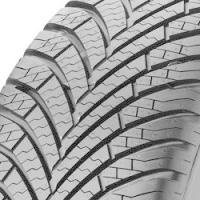
Star Performer Solar 4S 4 Stagioni | 50,10 € | Vedi offerta |
|
Star Performer Solar 4S 4 Stagioni | 50,23 € | Vedi offerta |
|
|
Star Performer Solar 4S 4 Stagioni | 51,12 € | Vedi offerta |

|
Star Performer Interstellar Estivo | 52,60 € | Vedi offerta |
235/45R18
Opzione
95W
Da 51,83 €
Vedi 1035 offerte
|
|
Star Performer Solar 4S 4 Stagioni | 51,83 € | Vedi offerta |

|
Falken ZIEX ZE310 ECORUN Estivo | 54,40 € | Vedi offerta |

|
Star Performer Stratos UHP Invernale | 57,04 € | Vedi offerta |

|
Triangle TRIANGLE EFFEXSPORT TH202 | 57,18 € | Vedi offerta |
|
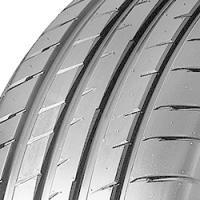
Sunny NA305 Estivo | 57,31 € | Vedi offerta |
245/35R19
Opzione
93W
Da 55,34 €
Vedi 496 offerte

|
Continental ContiSportContact 5 Estivo RunFlat | 55,34 € | Vedi offerta |

|
Viking ProTech NewGen Estivo XL | 55,51 € | Vedi offerta |

|
Viking ProTech NewGen Estivo XL | 55,99 € | Vedi offerta |

|
Star Performer Interstellar Estivo | 56,48 € | Vedi offerta |

|
Star Performer Interstellar Estivo | 56,97 € | Vedi offerta |
La Honda Spirior 2009-2011 accetta 4 misure di pneumatico. Le dimensioni del costruttore sono indicate per facilitare il vostro acquisto. Le alternative omologate vi consentono di montare dimensioni alternative in base alle vostre esigenze.
Per tutte le misure elencate, consultate le migliori offerte aggiornate regolarmente. Scegliete la vostra dimensione per vedere il confronto completo.
Al momento della sostituzione i pneumatici della vostra Honda Spirior 2009-2011, sostituiteli almeno in due sullo stesso asse. La coppia meno consumata deve essere installata sull'asse posteriore, anche su un veicolo a trazione anteriore, per mantenere un buon controllo in situazione critica.