 Pneumatici Honda Saber II Facelift (2001-2003)
Misure pneumatici compatibili
205/60R16
Primo equipaggiamento
92V
Da 35,64 €
Vedi 1723 offerte
|
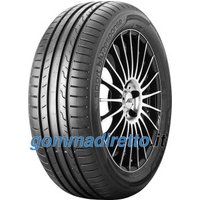
Dunlop Sport BluResponse Estivo | 35,64 € | Vedi offerta |
|
Dunlop Sport BluResponse Estivo | 35,90 € | Vedi offerta |

|
Bridgestone Blizzak LM-32 Invernale | 35,90 € | Vedi offerta |

|
HANKOOK Kinergy Eco K425 Estivo | 39,67 € | Vedi offerta |

|
HANKOOK Kinergy Eco K425 Estivo | 39,98 € | Vedi offerta |
215/50R17
Primo equipaggiamento
91V
Da 36,33 €
Vedi 914 offerte

|
Star Performer UHP-3 Estivo | 36,33 € | Vedi offerta |

|
Star Performer UHP-3 Estivo | 36,73 € | Vedi offerta |
|
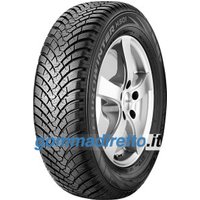
Falken EUROWINTER HS01 Invernale | 47,12 € | Vedi offerta |

|
Falken EUROWINTER HS01 Invernale | 47,50 € | Vedi offerta |

|
Star Performer Interstellar Estivo | 47,53 € | Vedi offerta |
205/60R16
Opzione
92V
Da 35,64 €
Vedi 1723 offerte
|
|
Dunlop Sport BluResponse Estivo | 35,64 € | Vedi offerta |
|
|
Dunlop Sport BluResponse Estivo | 35,90 € | Vedi offerta |
|
|
Bridgestone Blizzak LM-32 Invernale | 35,90 € | Vedi offerta |
|
|
HANKOOK Kinergy Eco K425 Estivo | 39,67 € | Vedi offerta |
|
|
HANKOOK Kinergy Eco K425 Estivo | 39,98 € | Vedi offerta |
205/60R15
Opzione
91H
Da 37,94 €
Vedi 323 offerte

|
HANKOOK Kinergy Eco 2 K435 Estivo | 37,94 € | Vedi offerta |

|
Nexen N blue HD Plus Estivo | 39,77 € | Vedi offerta |

|
FIRESTONE Roadhawk Estivo | 45,27 € | Vedi offerta |
|
Star Performer Orbit Estivo | 47,99 € | Vedi offerta |

|
Star Performer Orbit Estivo | 47,99 € | Vedi offerta |
La Honda Saber 2001-2003 accetta 4 misure di pneumatico. Le dimensioni del costruttore sono indicate per facilitare il vostro acquisto. Le alternative omologate vi consentono di montare dimensioni alternative in base alle vostre esigenze.
Per ogni dimensione, trovate le tariffe più competitive in tempo reale. Selezionate la dimensione desiderata per confrontare i pneumatici e i relativi prezzi.
Nel sostituire i pneumatici della vostra Honda Saber 2001-2003, ricordate di cambiarli a coppie sullo stesso asse. Il treno più recente va sempre sull'asse posteriore, anche se la vostra auto è a trazione anteriore, per una migliore stabilità in caso di frenata d'emergenza.