 Pneumatici Ford Grand C-MAX II (2010-2015)
Misure pneumatici compatibili
205/55R16
Primo equipaggiamento
91H
Da 35,50 €
Vedi 2490 offerte
|
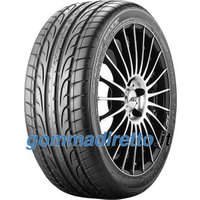
Dunlop SP Sport Maxx Estivo | 35,50 € | Vedi offerta |
|
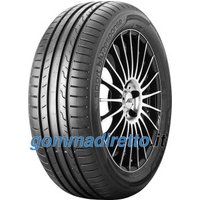
Dunlop Sport BluResponse Estivo | 35,50 € | Vedi offerta |
|
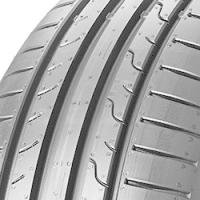
Dunlop Sport BluResponse Estivo | 35,90 € | Vedi offerta |

|
Dunlop Winter Sport 5 Invernale | 37,34 € | Vedi offerta |

|
Dunlop Winter Sport 5 Invernale | 37,75 € | Vedi offerta |
215/50R17
Opzione
95W
Da 36,33 €
Vedi 914 offerte

|
Star Performer UHP-3 Estivo | 36,33 € | Vedi offerta |

|
Star Performer UHP-3 Estivo | 36,73 € | Vedi offerta |
|
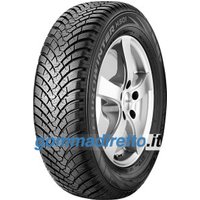
Falken EUROWINTER HS01 Invernale | 47,12 € | Vedi offerta |

|
Falken EUROWINTER HS01 Invernale | 47,50 € | Vedi offerta |

|
Star Performer Interstellar Estivo | 47,53 € | Vedi offerta |
215/55R16
Opzione
93H
Da 44,07 €
Vedi 1104 offerte

|
BARUM Bravuris 5HM Estivo | 44,07 € | Vedi offerta |

|
BARUM Bravuris 5HM Estivo | 44,42 € | Vedi offerta |
|
|
Falken EUROWINTER HS01 Invernale | 48,37 € | Vedi offerta |

|
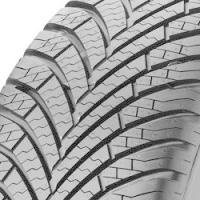
Star Performer Solar 4S 4 Stagioni | 48,48 € | Vedi offerta |
|
Star Performer Solar 4S 4 Stagioni | 48,86 € | Vedi offerta |
235/40R18
Opzione
95W
Da 35,50 €
Vedi 710 offerte

|
Continental ContiSportContact 3 Estivo | 35,50 € | Vedi offerta |

|
Continental ContiSportContact 3 Estivo | 35,90 € | Vedi offerta |

|
Continental WinterContact TS Invernale | 35,90 € | Vedi offerta |

|
Maxxis Premitra 5 Estivo XL | 45,55 € | Vedi offerta |

|
Nexen Winguard Sport 2 Invernale | 53,04 € | Vedi offerta |
La Ford Grand C-MAX 2010-2015 può essere equipaggiata con 4 dimensioni di pneumatico differenti. Le misure montate in fabbrica compaiono per guidarvi nella scelta. È anche possibile scegliere opzioni di sostituzione secondo le vostre preferenze.
Per ogni dimensione, trovate le tariffe più competitive in tempo reale. Selezionate la dimensione desiderata per confrontare i pneumatici e i relativi prezzi.
Nel sostituire i pneumatici della vostra Ford Grand C-MAX 2010-2015, ricordate di cambiarli a coppie sullo stesso asse. Il treno più recente va sempre sull'asse posteriore, anche se la vostra auto è a trazione anteriore, per una migliore stabilità in caso di frenata d'emergenza.